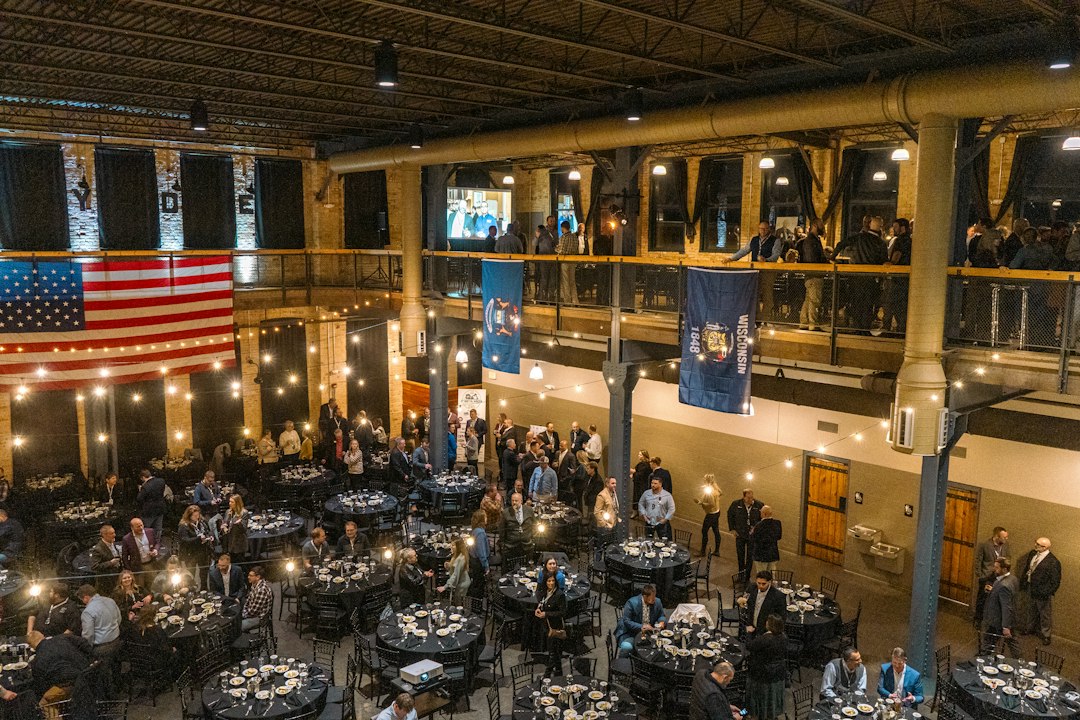
Organizing a corporate event can seem daunting, but with the right approach, it can be a rewarding experience that strengthens relationships and enhances company culture. Many people believe that corporate events are merely formal gatherings, but they can be vibrant and engaging occasions that reflect your company’s values and goals. This guide will help you navigate the complexities of corporate event planning, ensuring that your event is not only successful but also memorable.
Understanding Your Objectives
Before diving into the logistics of planning, it’s crucial to define the objectives of your corporate event. Are you aiming to celebrate a milestone, foster team bonding, or launch a new product? Understanding your goals will guide every decision you make, from the venue selection to the entertainment options. Myth: Corporate events are only for celebrating achievements. Truth: They can also serve as platforms for networking, training, and team-building, making them versatile tools for business growth.
Once you have a clear objective, you can tailor the event to meet those needs. For instance, if your goal is to enhance team collaboration, consider incorporating interactive activities that encourage participation. This not only makes the event enjoyable but also reinforces the purpose behind it. Aligning your event with your company’s mission will resonate with attendees and create a more impactful experience.
Choosing the Right Venue
The venue sets the tone for your corporate event, so selecting the right location is paramount. Consider factors such as accessibility, capacity, and amenities when making your choice. A well-chosen venue can enhance the overall experience and ensure that your guests feel comfortable and engaged. Myth: Any venue can work for any type of event. Truth: Different events require different settings; a formal conference needs a different atmosphere than a casual team-building retreat.
Additionally, think about the logistics involved in your venue choice. Is there adequate parking? Are there nearby accommodations for out-of-town guests? These practical considerations can significantly impact the success of your event. A venue that aligns with your event’s theme and objectives will not only impress your guests but also facilitate a smoother execution of your plans.
Planning Engaging Activities
Activities are the heart of any corporate event, and planning engaging ones is essential for keeping your audience interested. Whether it’s keynote speakers, workshops, or entertainment, the activities should align with your event’s objectives. Incorporating interactive elements, such as Q&A sessions or breakout discussions, can foster engagement and make attendees feel valued. Myth: Corporate events should be strictly professional. Truth: Infusing fun and creativity into your event can enhance engagement and leave a lasting impression.
Consider the demographics of your attendees when planning activities. Tailoring your program to suit their interests and preferences will ensure higher participation rates. For example, if your audience is primarily young professionals, incorporating modern technology or trending topics can make the event more relatable. Remember, the goal is to create an environment where attendees feel comfortable and excited to participate.
Effective Promotion and Communication
Once your event is planned, effective promotion is key to ensuring a good turnout. Utilize various channels such as email, social media, and your company’s website to reach your audience. Clear communication about the event details, including the agenda, speakers, and activities, will help generate interest and excitement. Myth: Sending one invitation is enough. Truth: Consistent communication leading up to the event is crucial for maintaining interest and ensuring attendance.
Engaging your audience before the event can also create buzz and anticipation. Consider creating a countdown on social media or sharing sneak peeks of what to expect. This not only keeps your event top-of-mind but also encourages attendees to share the information with their networks, expanding your reach. Remember, the more informed your guests are, the more likely they are to attend and participate actively.
Post-Event Follow-Up
After the event concludes, the work isn’t over. Following up with attendees is essential for gathering feedback and maintaining relationships. Send out thank-you notes or surveys to understand what worked well and what could be improved for future events. This not only shows appreciation but also demonstrates your commitment to continuous improvement. Myth: Once the event is over, the relationship ends. Truth: Post-event engagement is crucial for building lasting connections and fostering loyalty among attendees.
Additionally, sharing highlights from the event, such as photos or key takeaways, can keep the momentum going. This reinforces the value of the event and keeps your company in the minds of attendees. By investing in post-event communication, you can turn a one-time gathering into an ongoing relationship that benefits your organization in the long run.